


Halloween can be an exciting time of year, bringing opportunities for creativity, community and fun. Pumpkin patches, fancy dress, seasonal activities and trick-or-treating are traditions enjoyed by many families.
For some autistic children and young people, however, Halloween can also introduce additional sensory and social demands. Loud noises, flashing lights, crowded environments, unfamiliar costumes and changes to usual routines can make the season feel unpredictable or overwhelming.
While many people associate Halloween with trick-or-treating, it is important to remember that there is no single way to celebrate. Autistic people experience the world differently, and what feels enjoyable for one person may feel uncomfortable for another. Celebrating in a way that reflects an individual's interests, sensory preferences and support needs can help make the season more positive and accessible.
If you’re looking for autism-friendly Halloween activities, maybe take some inspiration from us! At Autism Unlimited, we've been embracing the season in a variety of ways.
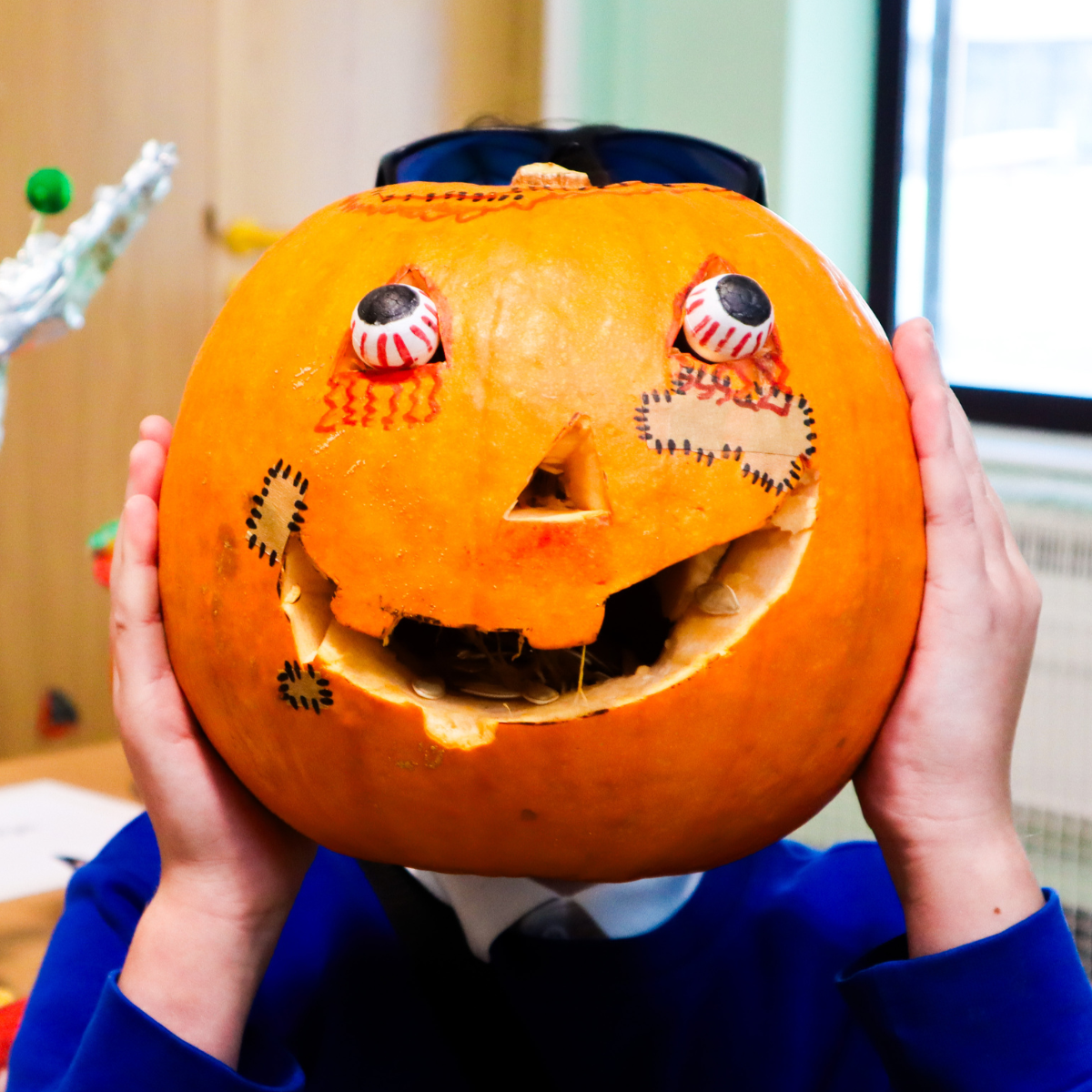
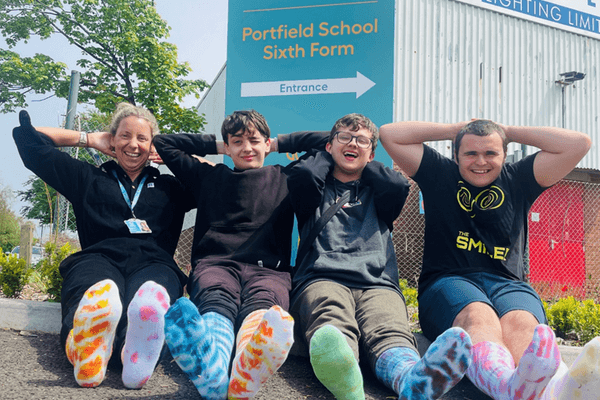
Students at Portfield School recently enjoyed getting creative as part of a pumpkin decorating competition, while adults we support visited Sopley Farm's pumpkin patch, exploring the autumn landscape and enjoying the colours, textures and sensory experiences the season has to offer.

Top Tips for an Autism-Friendly Halloween
- Prepare ahead of time – Talking through plans, using visual supports and explaining what to expect can help reduce uncertainty.
- Prioritise comfort – Costumes should be enjoyable, not uncomfortable. Sensory-friendly alternatives can make participation more accessible.
- Consider sensory needs – Crowds, loud sounds, decorations and flashing lights can be overwhelming. Planning quieter activities can help.
- Celebrate in your own way – Halloween doesn't have to involve trick-or-treating. Pumpkin decorating, crafts and autumn walks can be just as meaningful.
- Keep routines where possible – Maintaining familiar mealtimes, bedtimes and downtime can help provide stability during busy periods.
Halloween can look different for every family, and that's okay. Whether it's decorating pumpkins, exploring the outdoors, collecting sweets or enjoying a quiet evening at home, the most important thing is that autistic children feel comfortable, included, and supported. With a little preparation and an approach that reflects individual needs and preferences, Halloween can be an opportunity for creativity, connection, and meaningful shared experiences.


Some useful information
Find out more
We are committed to creating a world of unlimited possibilities, and this has to start with understanding. It is not known what causes autism, but it’s a lifelong condition that somebody is born with. There is some evidence that autism is genetic. Visit this section to find out more about autism.
Autism alert card
An autism alert card can enable other people to help you if you are in difficulties. Autism alert cards will be issued free of charge to people aged over 10 years on the autism spectrum, who are residents in Dorset, Bournemouth and Poole.
Our campaigns
We have run 4 successful campaigns across 2022-2023, capturing insights directly from people living with autism, told in their voices, and highlighting how they experience the world. Visit this section to read real life stories.
Our news
Take a look at our latest news stories and what we’ve been up to at Autism Unlimited.