


Preparation for Adulthood
At Portfield School, Preparation for Adulthood underpins learning across the whole school. From the earliest stages through to post-16 provision, students are supported to develop the skills, confidence, and independence they need to lead happy, healthy, and fulfilling adult lives. Learning is carefully sequenced, age-appropriate, and personalised to ensure meaningful outcomes for every learner.
Four Key Outcomes
Employability
Across the school, students develop skills, attitudes, and behaviours that support future employability and meaningful participation in adult life.
This begins with developing communication, independence, and the ability to follow routines, and progresses to exploring interests, understanding the world of work, and developing workplace skills such as teamwork and responsibility.
Older students take part in careers learning, work-related activities, visits to places of employment, and purposeful work experience, supported by accredited pathways, including Functional Skills where appropriate.
Independent living
Independent Living skills are developed progressively throughout the school, supporting students to become as independent as possible in their daily lives.
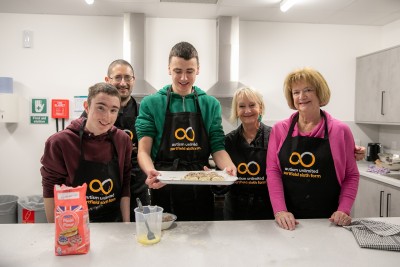
Learning includes personal care, self-help skills, cooking, shopping, travel training, managing money, and personal safety.
As students mature, they are supported to make choices, manage routines, understand responsibilities, and develop the confidence needed for adulthood.
Community inclusion
Students are supported to understand and engage with the communities in which they live.
Learning focuses on building positive relationships, making and maintaining friendships, understanding different social situations, and managing change.
Through community visits, leisure activities, and real-life experiences, students learn about rules, the law, online safety, and how to participate safely and confidently within their local and wider community.
Health and Wellbeing
Health and Wellbeing is embedded across the curriculum, supporting students to understand their physical, emotional, and mental health.
Learning includes developing healthy lifestyles, exercise, self-care, relationships, and emotional regulation.
Students are supported to recognise when they need help, understand how to access appropriate support, and develop strategies to maintain their own wellbeing and support the wellbeing of others.